The union fighting for New York City’s rank and file
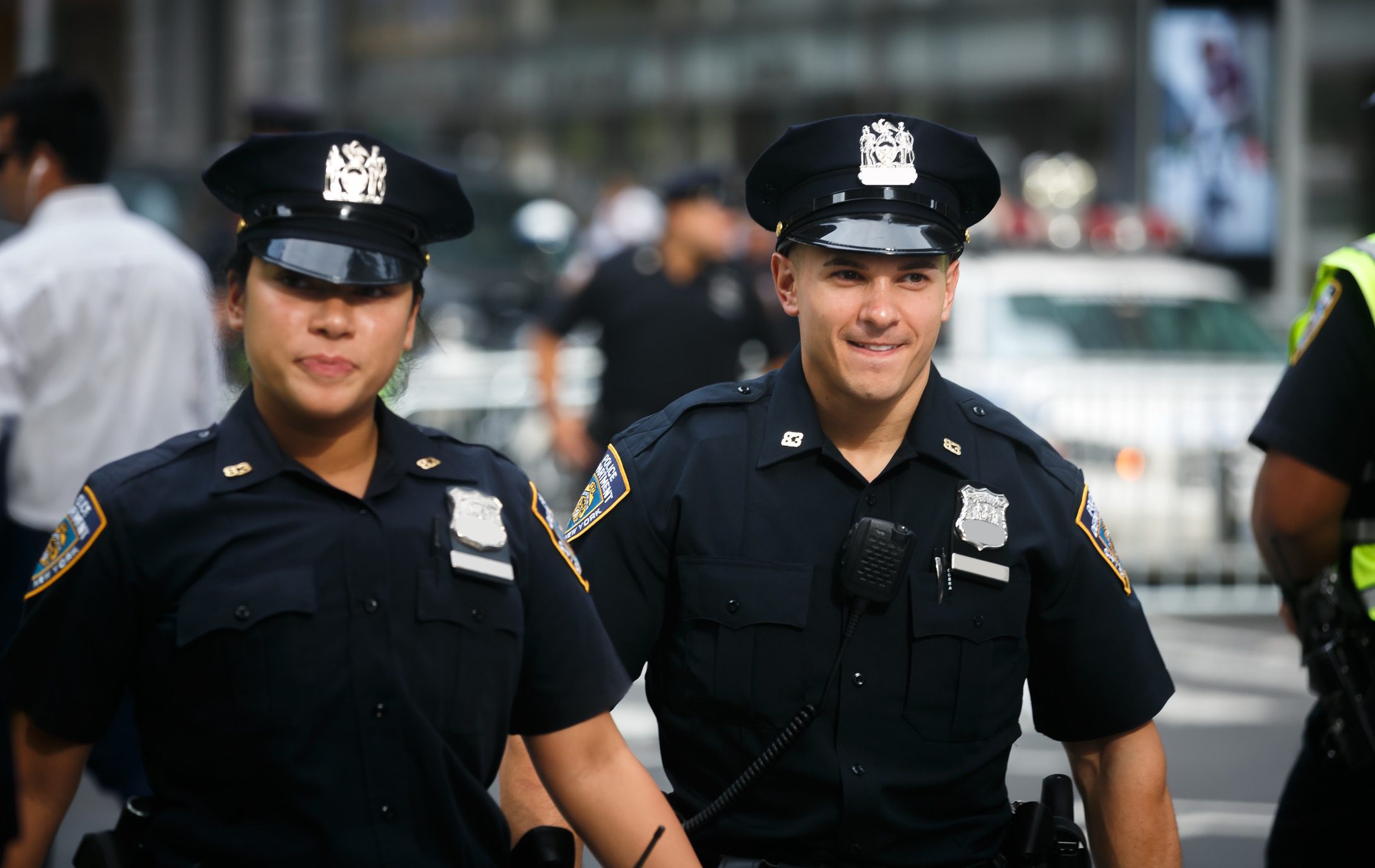
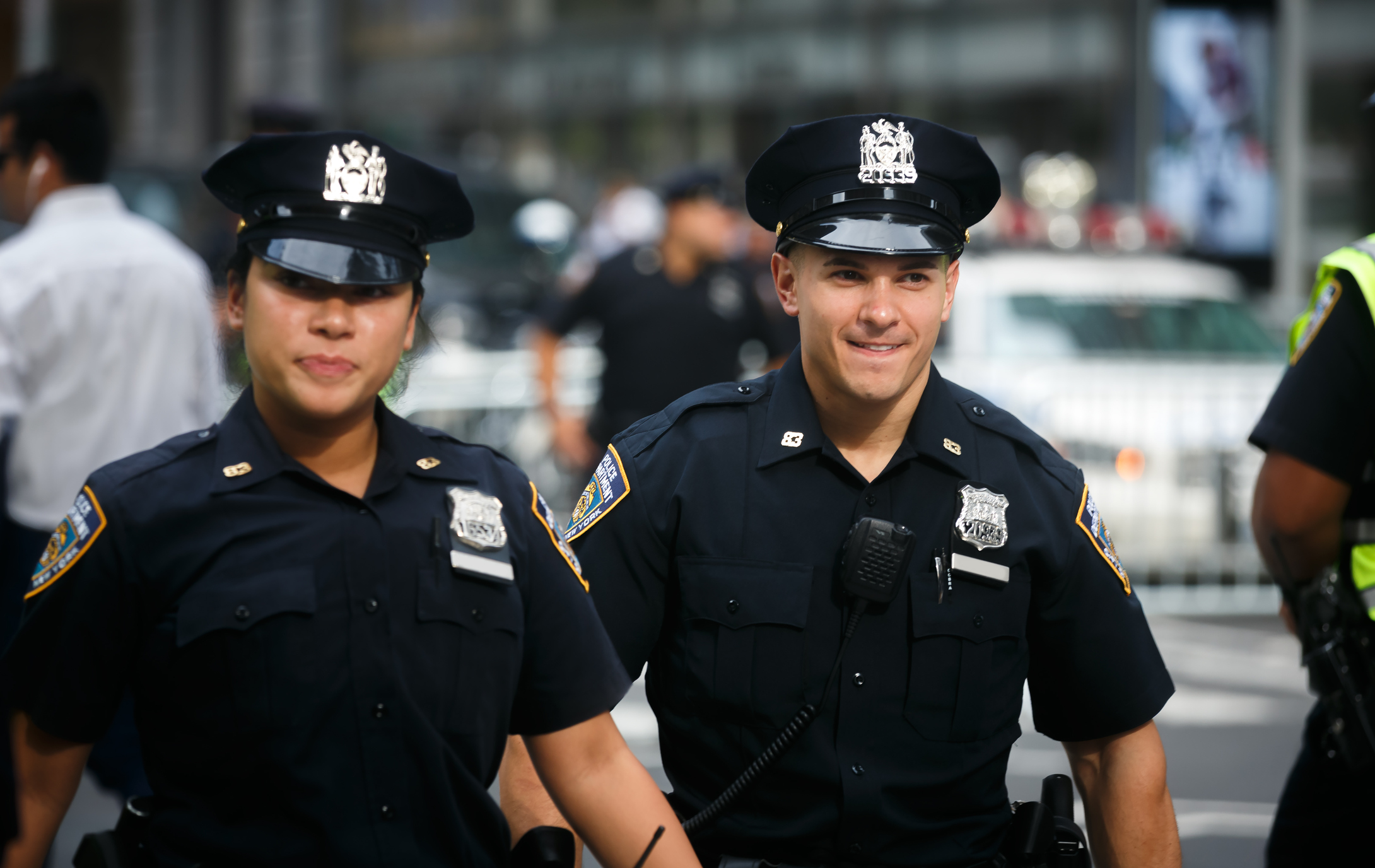
As the voice of more than 21,000 NYPD members in the rank of Police Officer, the Police Benevolent Association has stood at the front lines of advocacy, protection and progress for New York’s Finest. We fight for fair pay and benefits, better working conditions, and stronger rights — for the dignity every New York City police officer deserves.
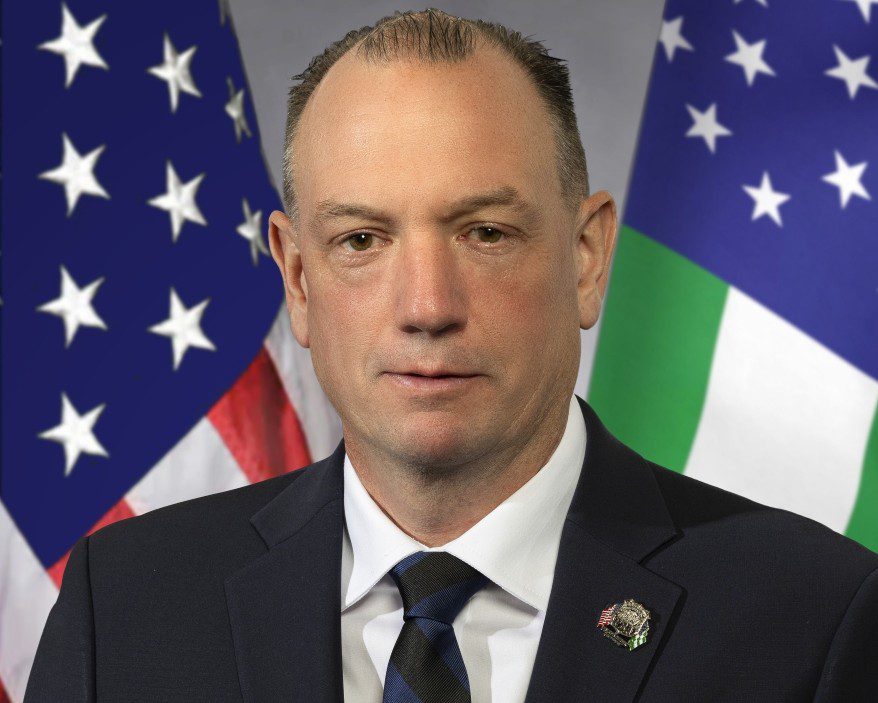
Patrick Hendry
Officers
Meet the leadership team elected to represent, defend and advocate on behalf of New York’s rank and file.
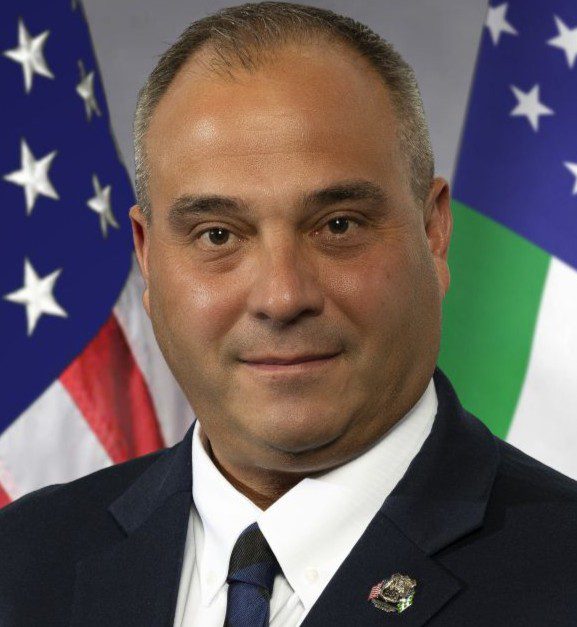
Albert Acierno
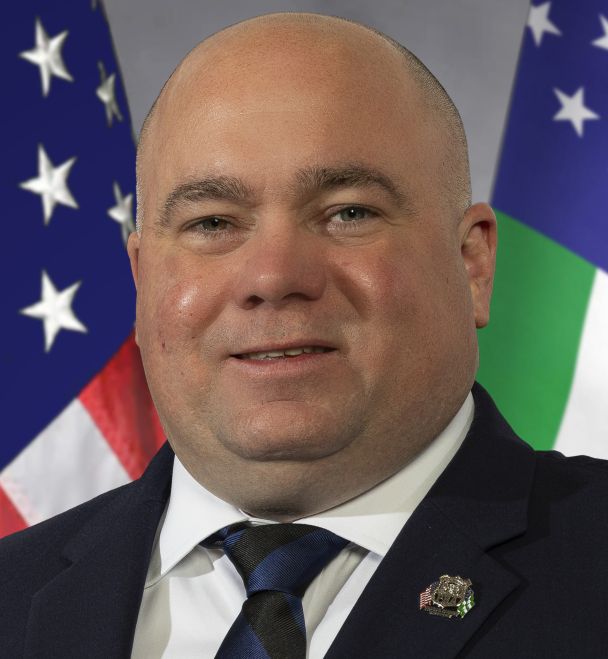
Arthur Egner
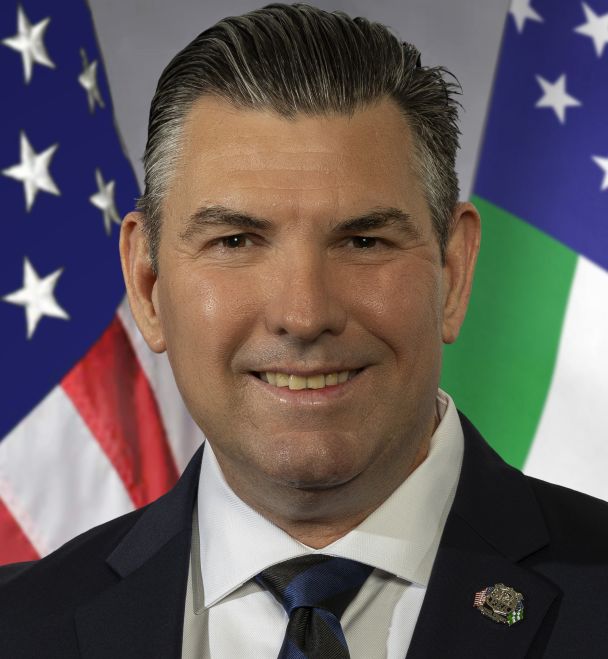
Joseph Strong

George Winkler
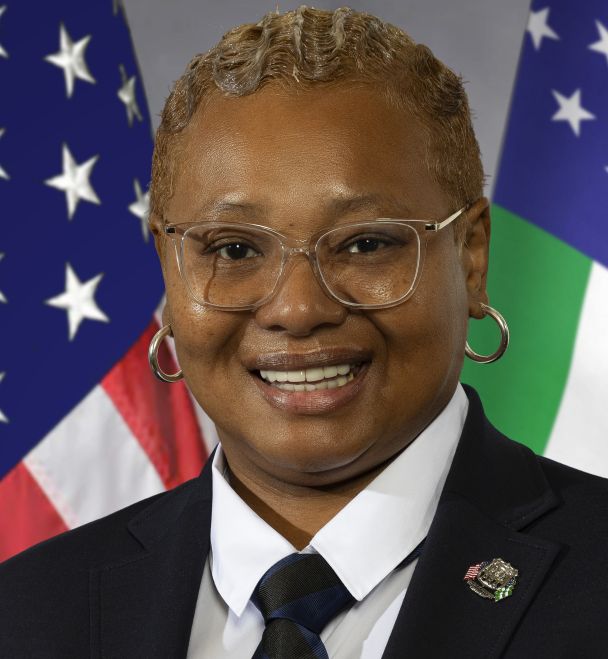
Lethimyle Cleveland
Financial Secretaries and Trustees
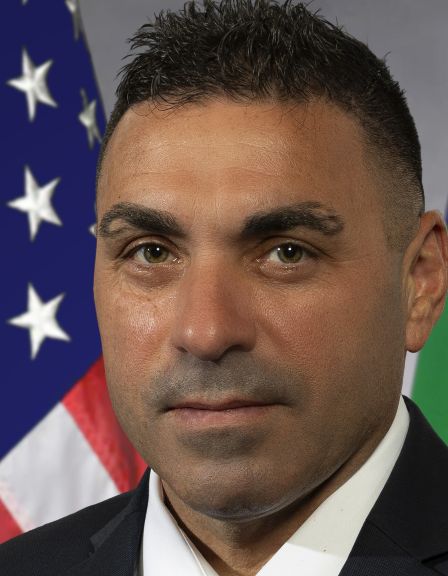
Frederick Winter
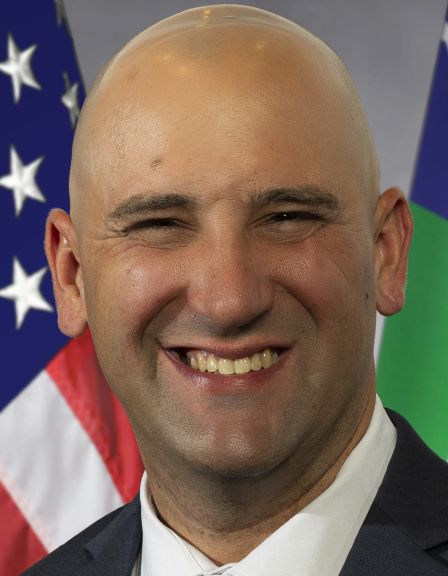
Matthew Fialkovic
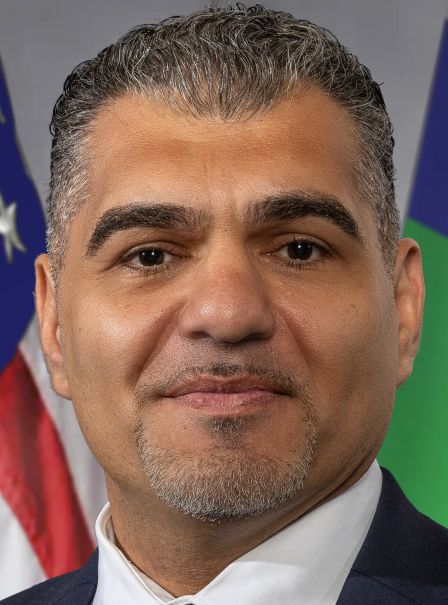
Karam Jubran

Edgar Duncan

John Fitzgerald
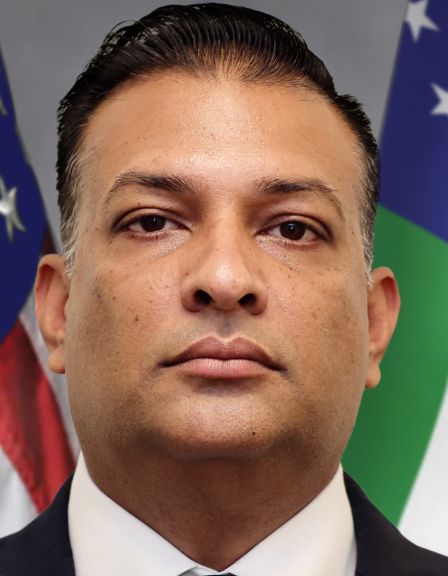
Bobby Mohip
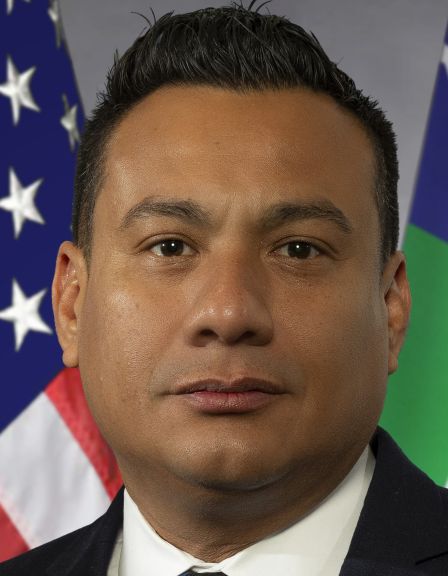
Antonio Vivar
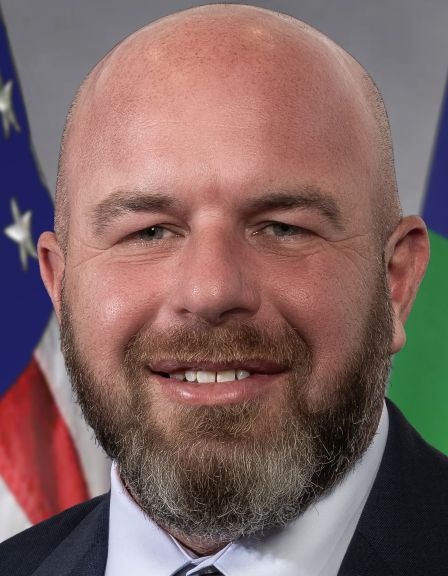
Anthony Cacioppo
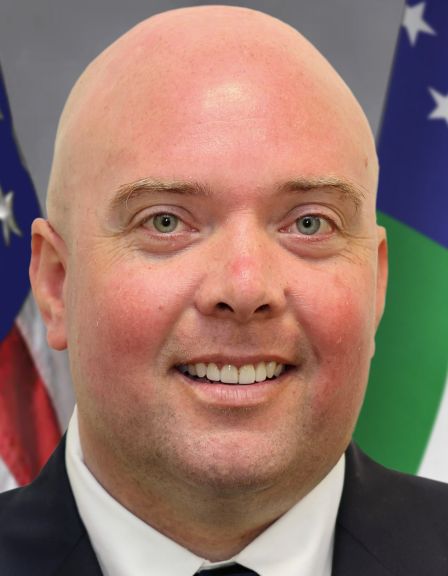
Patrick O’Donnell
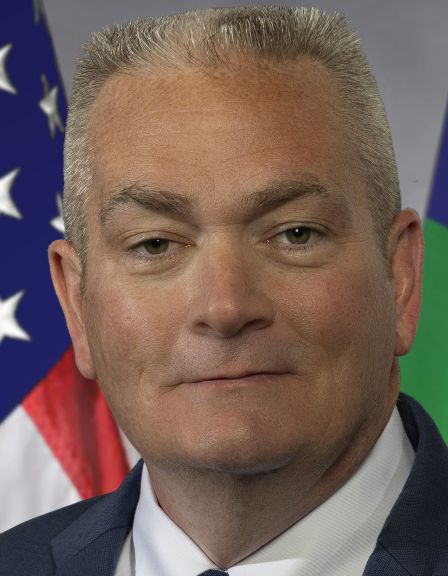
Kevin Murphy
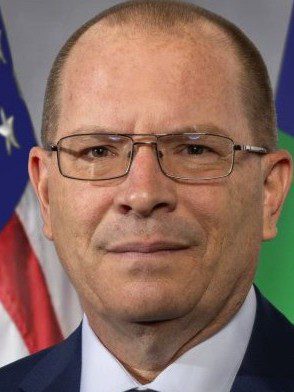
Richard Diana
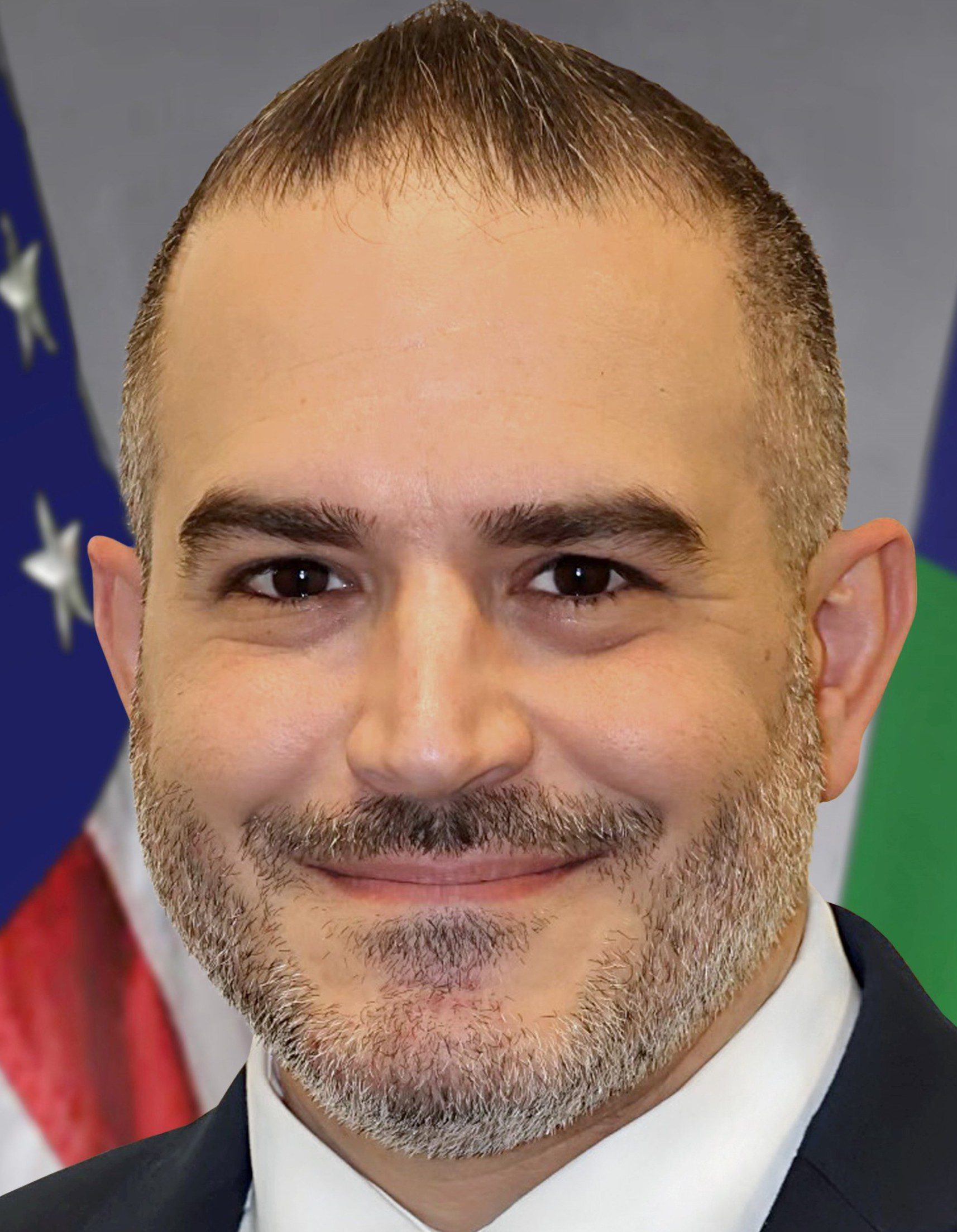
Nicholas Geramita
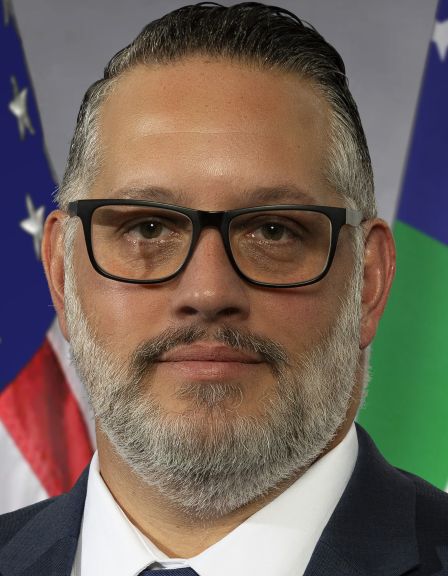
Daniel Ulsamer
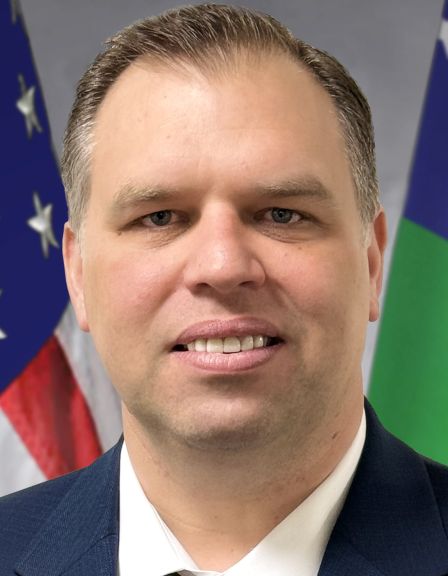
Thomas McGlyn
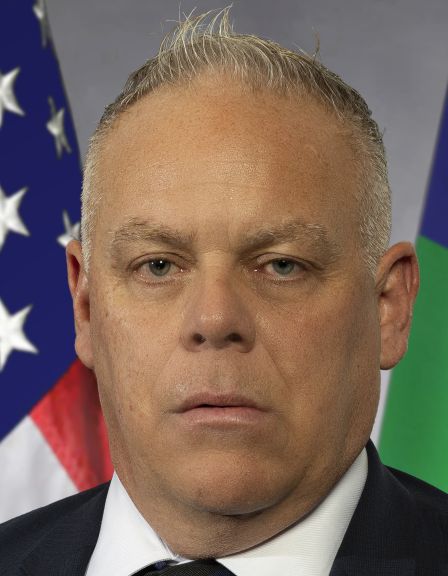
Merritt Riley
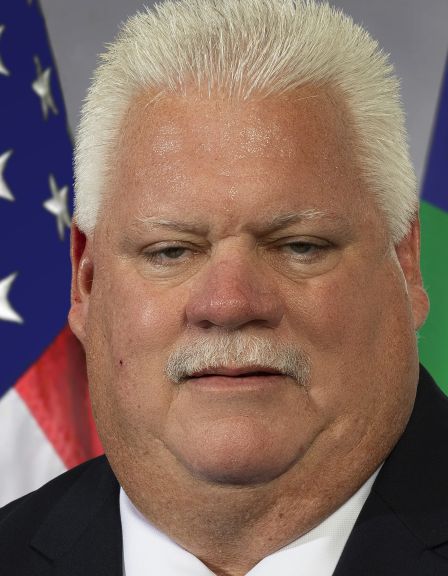
John A. Flynn
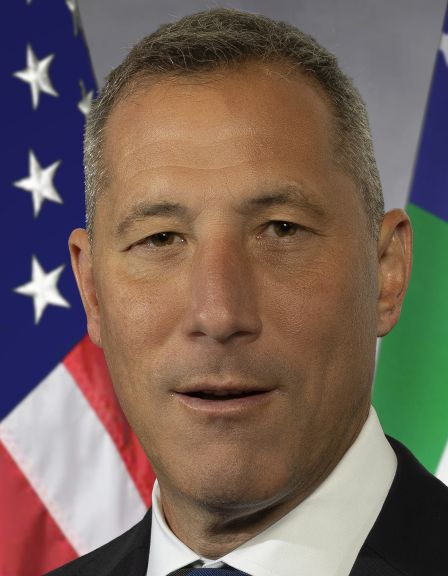
Raymond Salamone
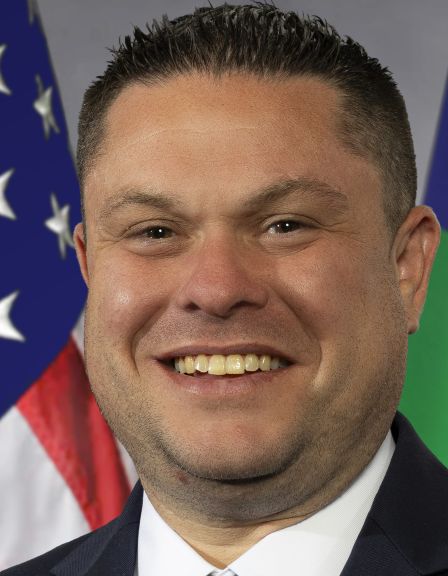
Julius Passero

Joseph A. Rao
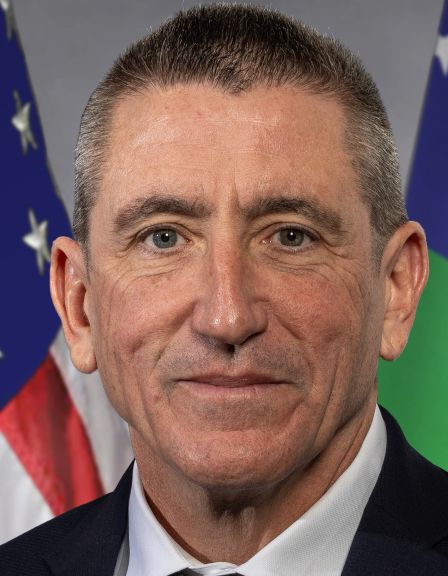
Michael Freeman
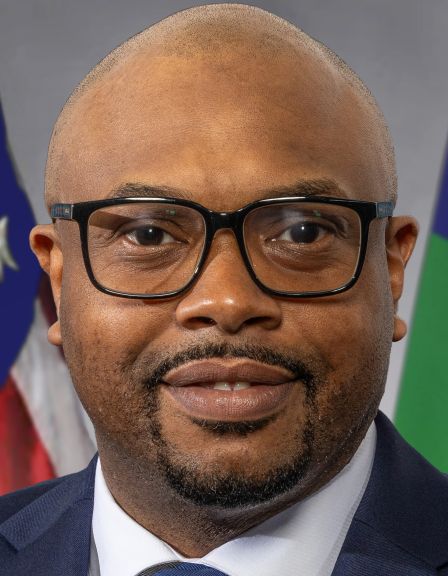
Michael McPhee
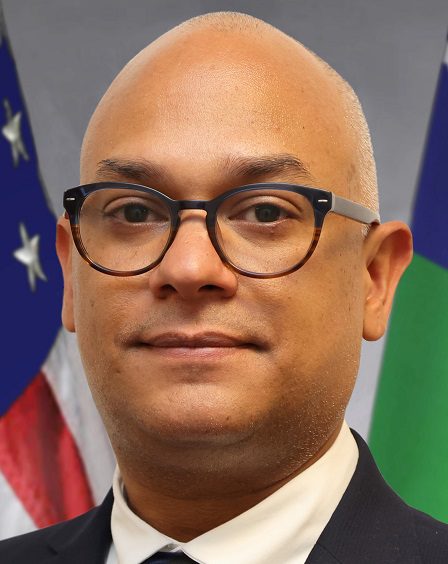
Jose Colon
Our commitment is to serve and protect those who serve and protect all New Yorkers.
The NYC PBA stands to support, defend and advocate for the brave men and women of the NYPD. We fight for dignity on the job, fair pay and benefits, adequate quality of life outside of work and respect from Department management, CCRB investigators, elected officials and the public.
For over 130 years, our fight has remained largely unchanged: we have not, and never will, waver from the fundamental belief in the dignity of the shield and the value of every officer’s service and sacrifice on behalf of all New Yorkers.
History of the PBA
The fights that shaped who we are today.
Solidarity amid tragedy
The New York City Police Department was badly crippled in the winter of 1889-90 after a severe influenza outbreak erupted in New York City. Roughly one in 10 police officers was on the sick list at the height of the epidemic. Many officers infected on the job later contracted tuberculosis and died. For the families of these fallen heroes, an officer’s salary could not cover burial expenses. “To keep their bodies from going to potter’s field,” New York City police officers established a Mortuary Fund, covering funerary fees and providing “the necessaries of life for their unusually young and large families.”
Over a century later, the legacy of supporting the families of the fallen lives on through the PBA Widows’ and Children’s Fund.
The fight begins
By the early 1890s, the New York State Legislature – which set police salaries at the time – had gone more than two decades without approving a salary increase for New York City police officers, despite granting pay raises for the upper ranks. Unwilling to accept inequitable compensation, New York’s rank and file banded together, agreeing to contribute a portion of their paychecks collectively for a fund to retain legal counsel and lobby the Legislature on their behalf. After years of advocacy, the officers finally prevailed, the Legislature agreeing to increase the maximum salary from $1,200 to $1,400.
However, the fight to bring an officer’s salary to a fair wage would continue. After this initial pay increase, officer salaries would again go unchanged for nearly two more decades. Officers’ paychecks began improving in 1916 and continued climbing thanks to intensifying pressure from the PBA. By 1930, the maximum salary of a patrolman was $3,000.
Inside the halls of power
In 1894, New York State Sen. Clarence Lexow launched a Senate Committee to probe police corruption. Numerous uninvolved rank-and-file cops were ensnared in the process, smeared due to the nature of their work and presumed guilty by association to their superiors. Lexow recommended granting the Police Department unilateral authority to dismiss police officers without due process.
With members’ rights under attack, the PBA became politically activated. For the first time in NYPD history, police officers, through their union, testified before the state Legislature. The testimony ultimately helped defeat the Lexow bills, a victory in the first of many political battles for the PBA over the due process rights of the wrongfully accused.
Today, the union maintains a continual presence inside the halls of power, where the fight for fair treatment and equitable benefits continues.
A seat at the table
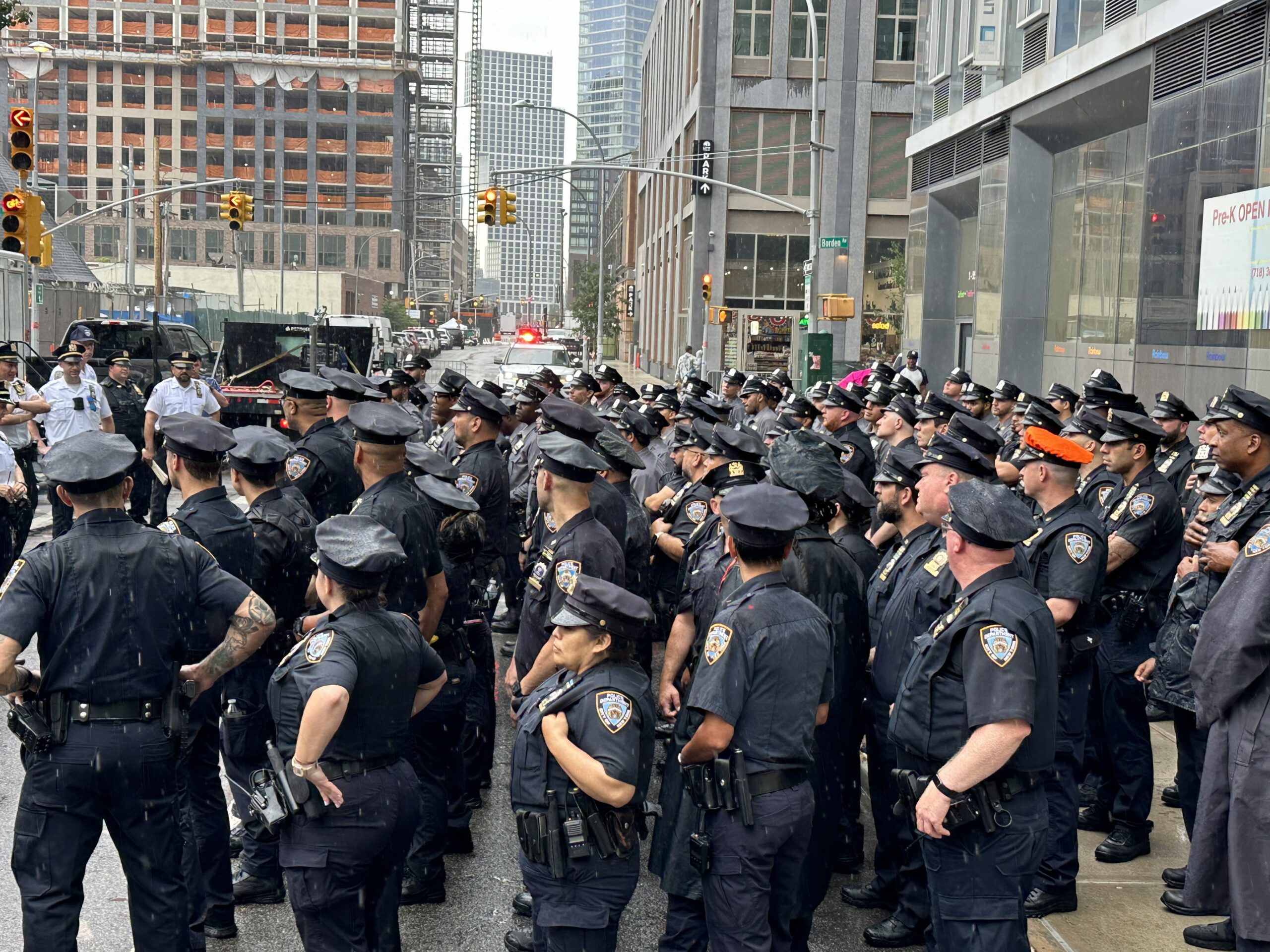
New York City and New York State started expanding collective bargaining rights to public employees in the 1950s and ’60s. However, when Mayor Robert F. Wagner Jr. issued his interim executive order establishing the right of city workers to organize and collectively bargain with the City, he expressly excluded members of the Police Department. In response, the PBA began a multiyear legal battle for inclusion within the City’s labor relations program. In 1963, the union finally earned its Certificate of Extent and of Exclusive Bargaining Status. The state Legislature later enacted the Taylor Law in 1967, establishing procedures for resolving contract disputes and prohibiting improper labor practices.
To this day, the PBA remains the exclusive bargaining agent on behalf of all NYPD members of service within the Police Officer rank, excluding detectives. The union dedicates itself to ensure that our members’ critical work on behalf of New Yorkers is rewarded by a fair contract.
Never backing down
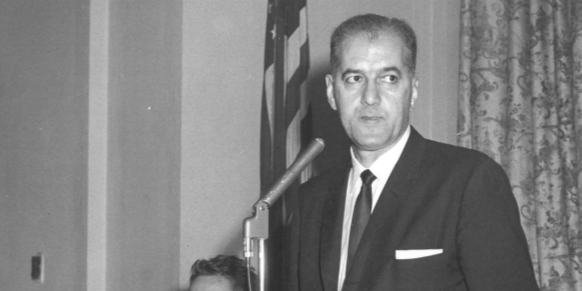
Mayor Wagner’s appointment of Steve Kennedy as Police Commissioner ignited an era of friction between the PBA and the Police Department. Kennedy’s unilateral reform agenda over promotions, civil service exams and off-duty employment were met with firm resistance by union leadership. In retaliation, Kennedy denied delegates traditional excusal to attend union meetings and transferred then-PBA President John Cassese back to patrol on a traffic post. Keeping up the fight, the PBA began holding monthly meetings in the basement of Cassese’s apartment building.
Throughout its history, the PBA has met resistance from all directions. Putting our public safety mission first, we continue to persevere despite the many obstacles along the way.
The fight for due process
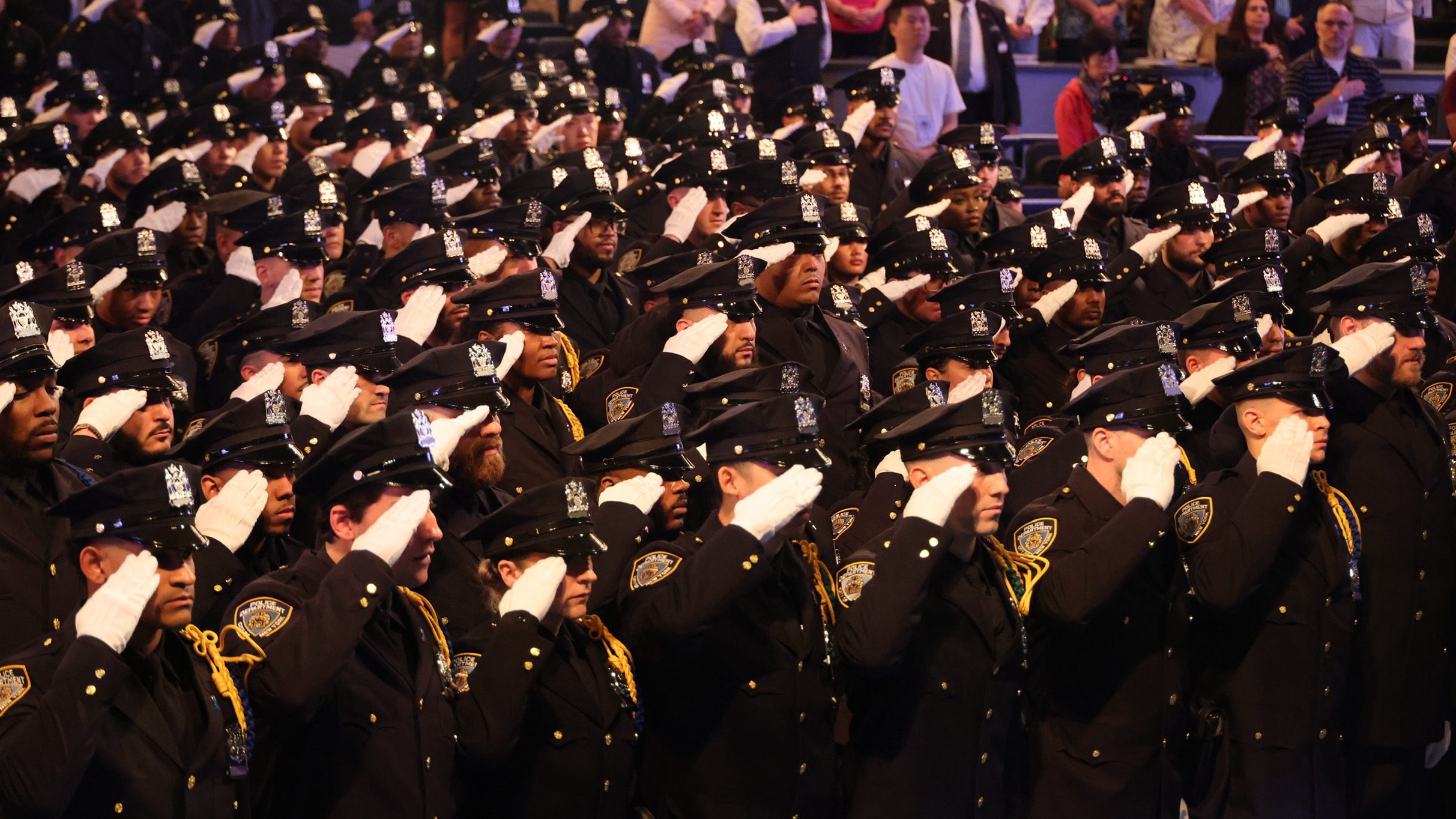
Under the administration of Mayor John Purroy Mitchel, the City introduced a bill to revoke the right of police officers to appeal decisions of the Police Commissioner, both individually and collectively. The PBA staunchly opposed the bill, viewing the right of appeal as a critical protection against arbitrary exercises of power.
In 1967, the PBA successfully lobbied the Department to implement General Order 15 (or “GO-15,” as it is still known), a set of procedures protecting officers against unfair interview tactics by police investigators. That same year, the U.S. Supreme Court held that police officers are entitled to the same constitutional guarantees as other citizens and public employees: “We conclude that policemen, like teachers and lawyers, are not relegated to a watered-down version of constitutional rights.”
Protecting our members against unfair investigative tactics, especially at the Civilian Complaint Review Board, remains one of the union’s top priorities.
Defending the flag
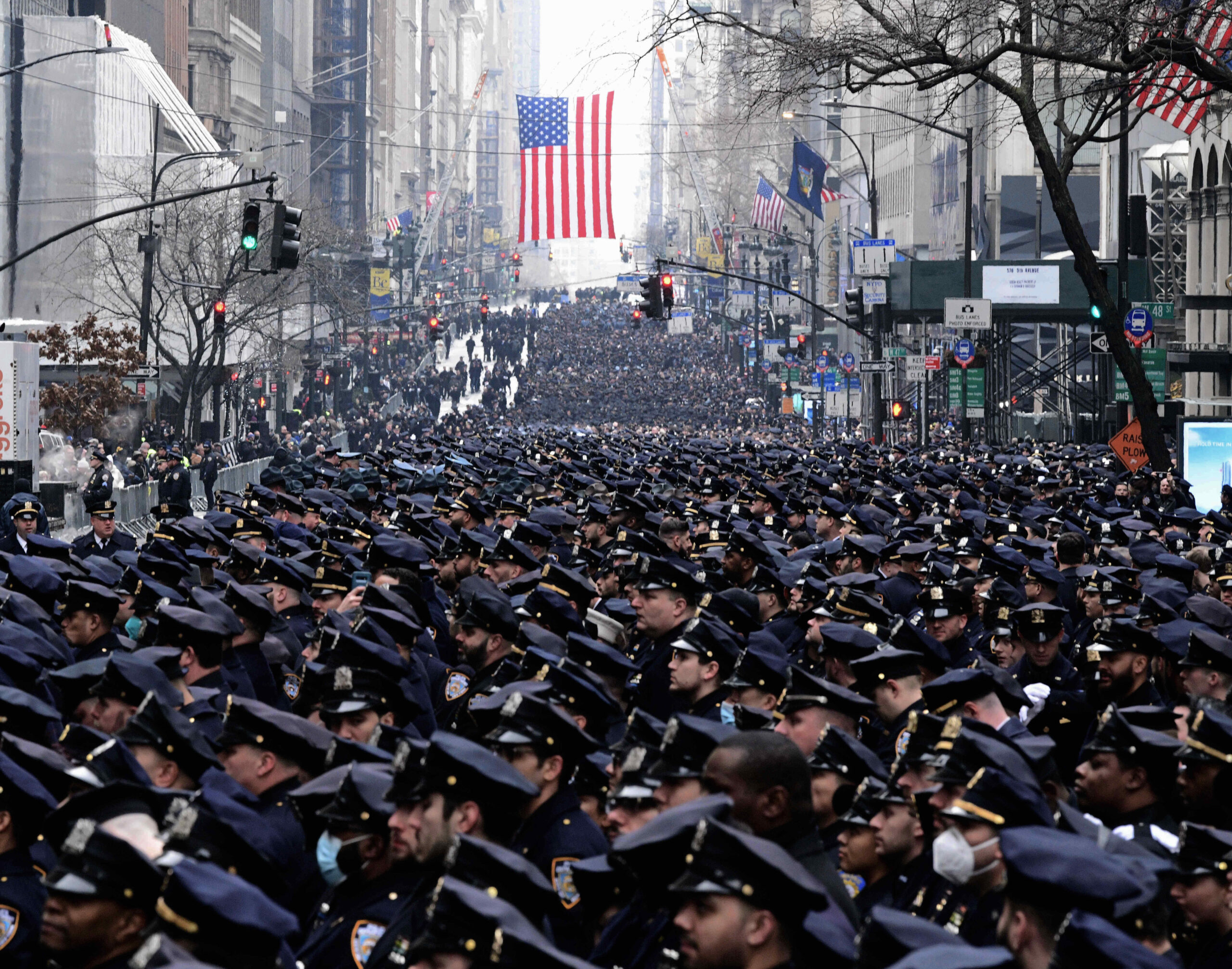
In 1969, Ptl. Pat Dolan wore a small American flag upon his overcoat while working on a stationhouse security post at the 46 Precinct. After Dolan refused an order to remove the flag, he was brought up on charges for “improper uniform” and told to report to the Trial Room. When the PBA learned of the incident, union leadership informed the Police Commissioner it would stand behind Dolan “one thousand percent.” The controversy erupted into a media frenzy, and the Department soon agreed to amend its Rules and Procedures to allow cops to wear the flag above their shields and medals.
Today, the PBA logo proudly displays the American flag, a symbol of our members’ patriotic oath to uphold the rule of law and secure the liberty of every New Yorker to live safely within his or her own community.
Holding cop-killers accountable
The rise of the Black Liberation Army, an anti-police domestic terrorist group, marked one of the darkest chapters in police history, both locally and nationally. During the height of its operations in the 1970s and early ’80s, the BLA carried out numerous targeted attacks against law enforcement, including the assassinations of several New York City police officers.
Today, the PBA remains committed to holding cop-killers accountable. Whether by pressuring the criminal justice system or by calling out the New York State Parole Board for its outrageous cop-killer release agenda, the PBA is deeply committed to honoring our fallen heroes and holding accountable those who violently harm our members.

Never forget
September 11, 2001 marked the single-deadliest day in NYPD history. Twenty-three hero police officers who rushed to the Twin Towers made the ultimate sacrifice that day. Hundreds more who risked their own health to contribute to the rescue and recovery effort have perished to 9/11-related illnesses, with the death toll rising each year.
It is the sacred and solemn duty of every New York City police officer to ensure that these sacrifices are never forgotten. The PBA continues the fight to bring the terrorists who orchestrated the attacks to justice, to secure death benefits for families of the fallen and to ensure that each new generation of Americans remembers the enormous sacrifice made by police officers on that day of infamy.
The fight for pension equity
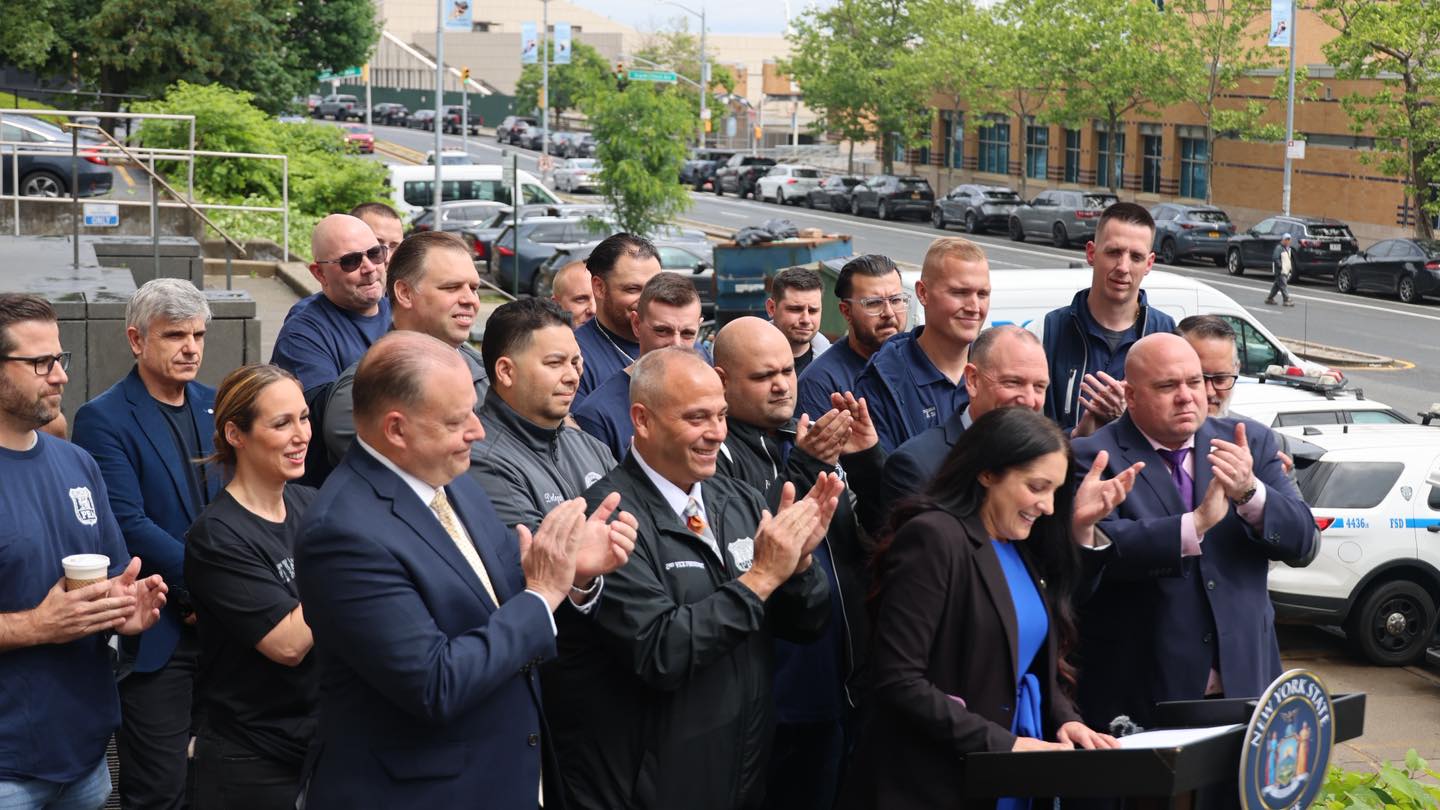
In response to the City’s fiscal crisis of the 1970s, the state Legislature created pension Tier 3, a cost-savings measure that had exempted all police officers across the state due to the unique and dangerous nature of our work. However, in 2009 then-Gov. David Paterson ended this exemption, putting police officers into Tier 3, which replaced the preexisting 20-year service retirement for cops with a longer 22-year service retirement. From this precipitated a 16-year lobbying campaign for pension equity. In 2025, the state Legislature finally restored the 20-year service retirement for Tier 3 members, a landmark victory for the PBA in the fight for pension equity.
The PBA is dedicated to maximizing the pension benefits of every member, ensuring that the difficult and dangerous we perform each day is rewarded in retirement.
Solidarity amid tragedy
The New York City Police Department was badly crippled in the winter of 1889-90 after a severe influenza outbreak erupted in New York City. Roughly one in 10 police officers was on the sick list at the height of the epidemic. Many officers infected on the job later contracted tuberculosis and died. For the families of these fallen heroes, an officer’s salary could not cover burial expenses. “To keep their bodies from going to potter’s field,” New York City police officers established a Mortuary Fund, covering funerary fees and providing “the necessaries of life for their unusually young and large families.”
Over a century later, the legacy of supporting the families of the fallen lives on through the PBA Widows’ and Children’s Fund.
The fight begins
By the early 1890s, the New York State Legislature – which set police salaries at the time – had gone more than two decades without approving a salary increase for New York City police officers, despite granting pay raises for the upper ranks. Unwilling to accept inequitable compensation, New York’s rank and file banded together, agreeing to contribute a portion of their paychecks collectively for a fund to retain legal counsel and lobby the Legislature on their behalf. After years of advocacy, the officers finally prevailed, the Legislature agreeing to increase the maximum salary from $1,200 to $1,400.
However, the fight to bring an officer’s salary to a fair wage would continue. After this initial pay increase, officer salaries would again go unchanged for nearly two more decades. Officers’ paychecks began improving in 1916 and continued climbing thanks to intensifying pressure from the PBA. By 1930, the maximum salary of a patrolman was $3,000.
Inside the halls of power
In 1894, New York State Sen. Clarence Lexow launched a Senate Committee to probe police corruption. Numerous uninvolved rank-and-file cops were ensnared in the process, smeared due to the nature of their work and presumed guilty by association to their superiors. Lexow recommended granting the Police Department unilateral authority to dismiss police officers without due process.
With members’ rights under attack, the PBA became politically activated. For the first time in NYPD history, police officers, through their union, testified before the state Legislature. The testimony ultimately helped defeat the Lexow bills, a victory in the first of many political battles for the PBA over the due process rights of the wrongfully accused.
Today, the union maintains a continual presence inside the halls of power, where the fight for fair treatment and equitable benefits continues.
A seat at the table
New York City and New York State started expanding collective bargaining rights to public employees in the 1950s and ’60s. However, when Mayor Robert F. Wagner Jr. issued his interim executive order establishing the right of city workers to organize and collectively bargain with the City, he expressly excluded members of the Police Department. In response, the PBA began a multiyear legal battle for inclusion within the City’s labor relations program. In 1963, the union finally earned its Certificate of Extent and of Exclusive Bargaining Status. The state Legislature later enacted the Taylor Law in 1967, establishing procedures for resolving contract disputes and prohibiting improper labor practices.
To this day, the PBA remains the exclusive bargaining agent on behalf of all NYPD members of service within the Police Officer rank, excluding detectives. The union dedicates itself to ensure that our members’ critical work on behalf of New Yorkers is rewarded by a fair contract.
Never backing down
Mayor Wagner’s appointment of Steve Kennedy as Police Commissioner ignited an era of friction between the PBA and the Police Department. Kennedy’s unilateral reform agenda over promotions, civil service exams and off-duty employment were met with firm resistance by union leadership. In retaliation, Kennedy denied delegates traditional excusal to attend union meetings and transferred then-PBA President John Cassese back to patrol on a traffic post. Keeping up the fight, the PBA began holding monthly meetings in the basement of Cassese’s apartment building.
Throughout its history, the PBA has met resistance from all directions. Putting our public safety mission first, we continue to persevere despite the many obstacles along the way.
The fight for due process
Under the administration of Mayor John Purroy Mitchel, the City introduced a bill to revoke the right of police officers to appeal decisions of the Police Commissioner, both individually and collectively. The PBA staunchly opposed the bill, viewing the right of appeal as a critical protection against arbitrary exercises of power.
In 1967, the PBA successfully lobbied the Department to implement General Order 15 (or “GO-15,” as it is still known), a set of procedures protecting officers against unfair interview tactics by police investigators. That same year, the U.S. Supreme Court held that police officers are entitled to the same constitutional guarantees as other citizens and public employees: “We conclude that policemen, like teachers and lawyers, are not relegated to a watered-down version of constitutional rights.”
Protecting our members against unfair investigative tactics, especially at the Civilian Complaint Review Board, remains one of the union’s top priorities.
Defending the flag
In 1969, Ptl. Pat Dolan wore a small American flag upon his overcoat while working on a stationhouse security post at the 46 Precinct. After Dolan refused an order to remove the flag, he was brought up on charges for “improper uniform” and told to report to the Trial Room. When the PBA learned of the incident, union leadership informed the Police Commissioner it would stand behind Dolan “one thousand percent.” The controversy erupted into a media frenzy, and the Department soon agreed to amend its Rules and Procedures to allow cops to wear the flag above their shields and medals.
Today, the PBA logo proudly displays the American flag, a symbol of our members’ patriotic oath to uphold the rule of law and secure the liberty of every New Yorker to live safely within his or her own community.
Holding cop-killers accountable
The rise of the Black Liberation Army, an anti-police domestic terrorist group, marked one of the darkest chapters in police history, both locally and nationally. During the height of its operations in the 1970s and early ’80s, the BLA carried out numerous targeted attacks against law enforcement, including the assassinations of several New York City police officers.
Today, the PBA remains committed to holding cop-killers accountable. Whether by pressuring the criminal justice system or by calling out the New York State Parole Board for its outrageous cop-killer release agenda, the PBA is deeply committed to honoring our fallen heroes and holding accountable those who violently harm our members.
Never forget
September 11, 2001 marked the single-deadliest day in NYPD history. Twenty-three hero police officers who rushed to the Twin Towers made the ultimate sacrifice that day. Hundreds more who risked their own health to contribute to the rescue and recovery effort have perished to 9/11-related illnesses, with the death toll rising each year.
It is the sacred and solemn duty of every New York City police officer to ensure that these sacrifices are never forgotten. The PBA continues the fight to bring the terrorists who orchestrated the attacks to justice, to secure death benefits for families of the fallen and to ensure that each new generation of Americans remembers the enormous sacrifice made by police officers on that day of infamy.
The fight for pension equity
In response to the City’s fiscal crisis of the 1970s, the state Legislature created pension Tier 3, a cost-savings measure that had exempted all police officers across the state due to the unique and dangerous nature of our work. However, in 2009 then-Gov. David Paterson ended this exemption, putting police officers into Tier 3, which replaced the preexisting 20-year service retirement for cops with a longer 22-year service retirement. From this precipitated a 16-year lobbying campaign for pension equity. In 2025, the state Legislature finally restored the 20-year service retirement for Tier 3 members, a landmark victory for the PBA in the fight for pension equity.
The PBA is dedicated to maximizing the pension benefits of every member, ensuring that the difficult and dangerous we perform each day is rewarded in retirement.
The PBA’s mission is simple: represent and protect every member, every day.
We stand to protect the rights, advance the interests and promote the quality of life of those who protect this city. Through relentless advocacy, firm legal defense, careful funds management and political action, we ensure that our members are never alone — on the job, at the negotiating table or in the Trial Room.

Strength through solidarity
There’s power in standing together. Our collective voice gives strength to advocate, negotiate and protect what matters most: our members.
Relentless advocacy
We don’t back down. We fight for better pay and benefits, fair treatment, safer working conditions and policies that respect the difficult and dangerous work we do on behalf of New York City.
Legal protection
From civil suits to critical incidents, we provide legal coverage, representation and peace of mind when our members need it most.
Benefits for life
We help you access the health care, pensions and resources you’ve earned — whether you’re active or retired from the job.
Built to serve
The PBA isn’t just an association — it’s a lifeline. We make sure your voice is heard and your future is secure.
Strength through solidarity
There’s power in standing together. Our collective voice gives strength to advocate, negotiate and protect what matters most: our members.
Relentless advocacy
We don’t back down. We fight for better pay and benefits, fair treatment, safer working conditions and policies that respect the difficult and dangerous work we do on behalf of New York City.
Legal protection
From civil suits to critical incidents, we provide legal coverage, representation and peace of mind when our members need it most.
Benefits for life
We help you access the health care, pensions and resources you’ve earned — whether you’re active or retired from the job.
Built to serve
The PBA isn’t just an association — it’s a lifeline. We make sure your voice is heard and your future is secure.